Many people find it strange to set long-term goals for their personal lives, let alone write them down. What would I do if I had enough time and money? What would I still like to do in my lifetime? It can be hard to imagine a life different from the one we lead, and often people do not dare to make important choices. Yet at the end of life, similar regrets recur: dreams went unfulfilled, too much time went into work and people lost touch with friends. Eesti Ekspress published an article about Bronnie Ware and her book The Top Five Regrets of the Dying.
Ware spent many years caring for terminally ill people who had been sent home to die. She was with them for the last three to twelve weeks of their lives. When she asked whether they regretted anything or would do something differently, the same answers came up repeatedly.
1. I lived the way others expected me to, rather than the way I wanted
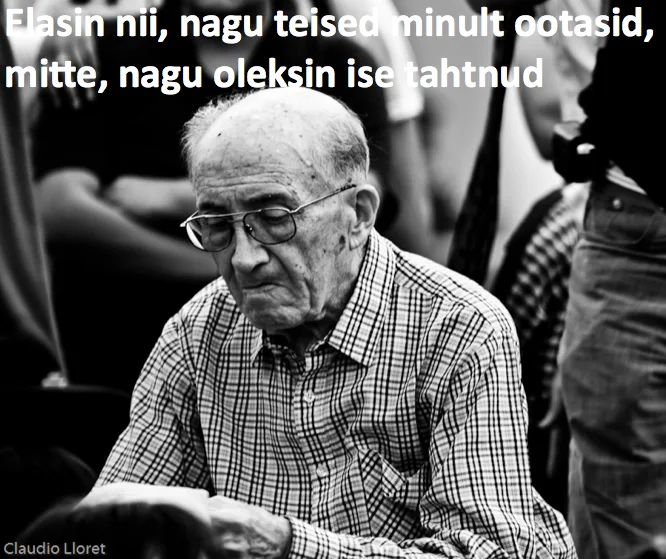
Ware describes this as the most common regret. As people realised their lives were almost over and looked back clearly, they could see how many dreams had gone unfulfilled. Most had not realised even half their dreams and died knowing that their own choices had played a part.
She encourages people to pursue at least some of their dreams while they can. We cannot put them off indefinitely. Once health has gone, it is too late. Few people recognise how much freedom good health gives them.
2. I worked too much
Ware heard this from every male patient who felt he had missed his children growing up or had too little time with his partner. Women regretted overwork too, although most came from an older generation and many had never been in paid employment.
How do you avoid working too much? By simplifying your life and making deliberate choices, you may be able to live on less. Making room in this way can make you happier and more open to opportunities that suit your new life.
3. I lacked the courage to express my feelings
Many people hid their feelings to avoid conflict. They settled for a life that felt mediocre and never grew into the people they could have become. Ware writes that, for some, the bitterness they carried even contributed to illness.
When we change how we live and begin to speak honestly, people may initially resent it. Over time it can bring our communication onto a healthier footing. Or it may remove an unhealthy relationship from our life. Either outcome can be a gain.
4. I lost touch with my friends
Many people only recognised the value of their old friends in the last weeks of their lives. By then it was not always possible to find them. They deeply regretted not giving those friendships the time and attention they deserved. People miss their friends when they are dying.
Faced with death, the unimportant details fall away. People want their financial affairs in order, but for the sake of those they love. Neither money nor status matters in itself. Unfortunately, by then people are often too ill and exhausted to do much about it.
5. I did not let myself be happy
Ware heard this surprisingly often. Many people only realised at the very end that happiness involves a choice. Familiar habits provided a deceptive comfort, shaping both their feelings and their physical lives. Fear of change led them to pretend to others and to themselves that they were satisfied. Deep down they wanted to laugh freely and be silly again.
On your deathbed, what other people think about you matters very little. You might wish for one more chance to let things go and smile. It is worth doing that long before you reach the end of life.