
How can you make more room for what matters at work and at home?
The volume of work is only part of what leaves managers and specialists exhausted. Interruptions break concentration. Ideas, promises, emails and tasks are scattered across inboxes or held in your head, and it is hard to feel on top of them.
This course helps you build a reliable way of organising everyday work and keeping important priorities in view. It combines effectiveness — choosing where to direct attention and effort — with practical techniques for organising time and following through. The aim is fewer fires to put out and more time for the work that counts.
“Time management is for you if tasks, ideas, emails and promises are circulating in your head and across different inboxes, without the feeling that you have everything under control.” — Eero Sikka, leadership coach and trainer
What will participants achieve?
- Build a workable system for managing professional and personal commitments.
- Manage attention and priorities as well as appointments.
- Decide what matters and what to decline.
- Establish habits that give the working day a dependable rhythm.
- Make deliberate choices even when several people want an immediate response.
- Reduce overload and distraction, improving satisfaction and performance.
Who is it for?
Managers, specialists and teams who handle a great deal of information, several projects or frequent change. It suits people who find that everything feels urgent, who want to strengthen their self-management skills and who want a system they can put to work immediately.
How the programme works
There are two workshops and a period of practice. Participants design their own system in the first workshop, use it in everyday life, then return to refine it.
Workshop 1 — Organising time and work
How can you make better use of limited time and energy? We start by identifying the work that has the greatest impact, then design a system that makes time for it. Participants:
- Put their personal mission and priorities into words and connect these to organisational goals.
- Identify the interruptions and time-consuming habits that drain their attention.
- Create a single, reliable place to capture commitments and ideas.
- Practise deciding which action comes next and what can wait.
- Establish routines that clear the mind and keep work moving.
- Explore how doing fewer things more deliberately can improve results.
You leave with a working system that you can start using that day. It gives you something concrete to test when the workload becomes demanding.
Schedule: first workshop, one month of practice with weekly support, then a second workshop to refine the system.
Workshop 2 — Refining the system
After time to practise, participants bring real situations to the second workshop. Which parts of the system held up on a busy day? Where did information or commitments slip through?
We review the experience, practise organising email, meetings and interruptions, and try techniques for regaining focus. With feedback from colleagues, each participant adjusts their system to fit their workload, responsibilities and working style. The aim is a routine you can sustain under pressure while keeping the quality and purpose of your work in view.
Practice and support
Between and after the workshops you test the system at work and at home. Monthly reflection exercises and small assignments help you establish new habits. You can compare experiences with colleagues, discuss obstacles and receive feedback from the trainer. Individual support is available if you would like to adapt the system further.
Benefits
For the organisation: clearer allocation of work, better management of priorities, less stress and greater predictability. Teams make better use of their time, and people gain the confidence to manage their own focus and decisions.
For participants: a personal system for work and home, more room to concentrate and think, less information overload and greater satisfaction with work and life.
Client feedback
“If you see that your desired organisational changes are not happening as they should, call Eero for help!”
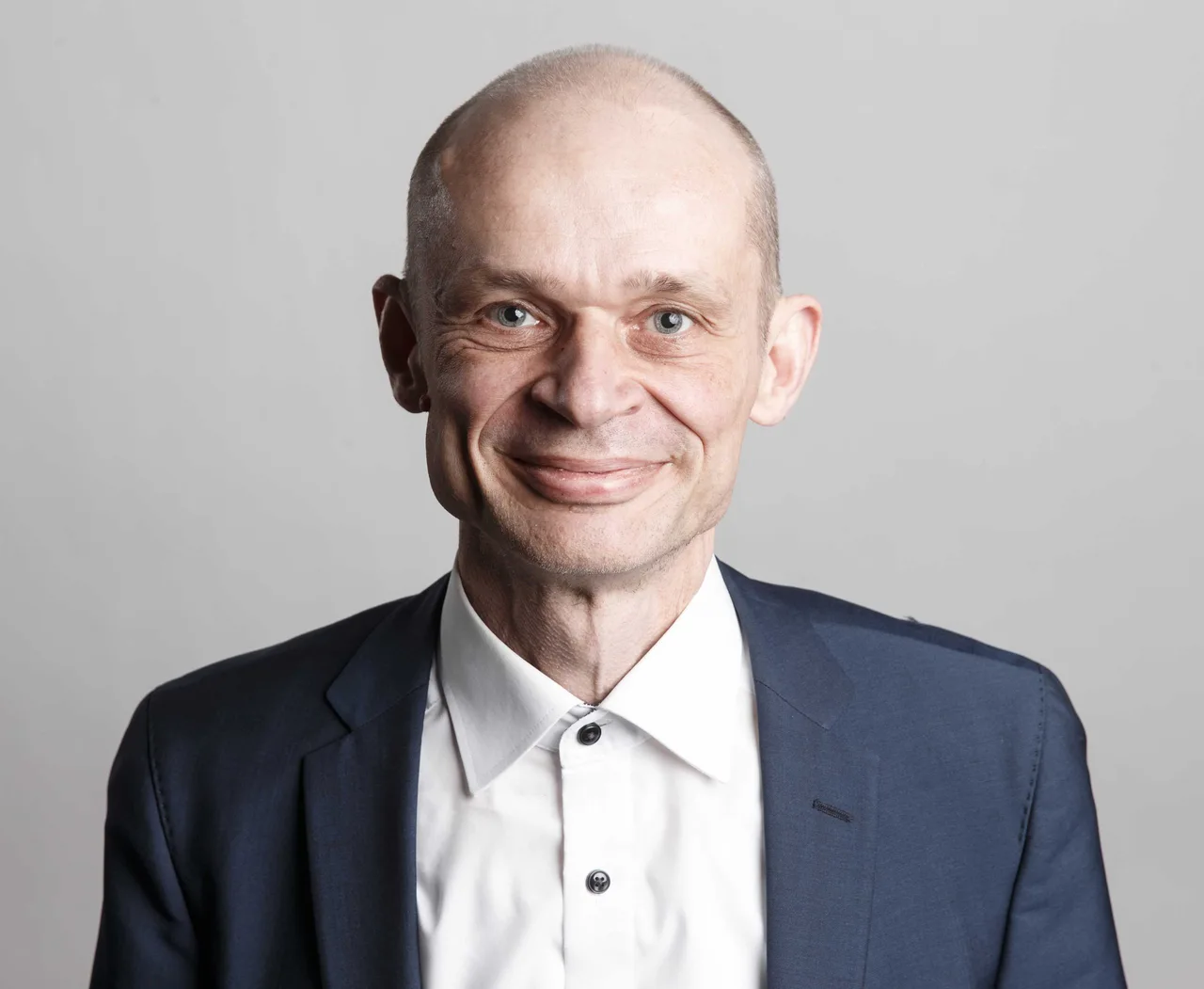 Igor RõtovCEO, Äripäev
“If you’re looking for more organisational clarity and execution speed in what matters most, then I recommend Eero for help. In collaboration with Eero the bottom-line results really do start improving, but it requires that you yourself as a leader are up for the challenge”
 Valdur LaidCEO, UG Investments · Director General, Estonian Tax and Customs Board
“Eero helped me understand how I had become the glass ceiling slowing down organisational growth, helped me overcome it and to stay in top shape by doing that. A powerful experience, which I can really value now after having experienced it.”
 Ats AlbreBoard member, Nortal
“Eero has helped me in my work over the years – at Telia, e-Residency and now at Pactum. Each time the topic was different. His style suits me: a good balance of theory and practice.”
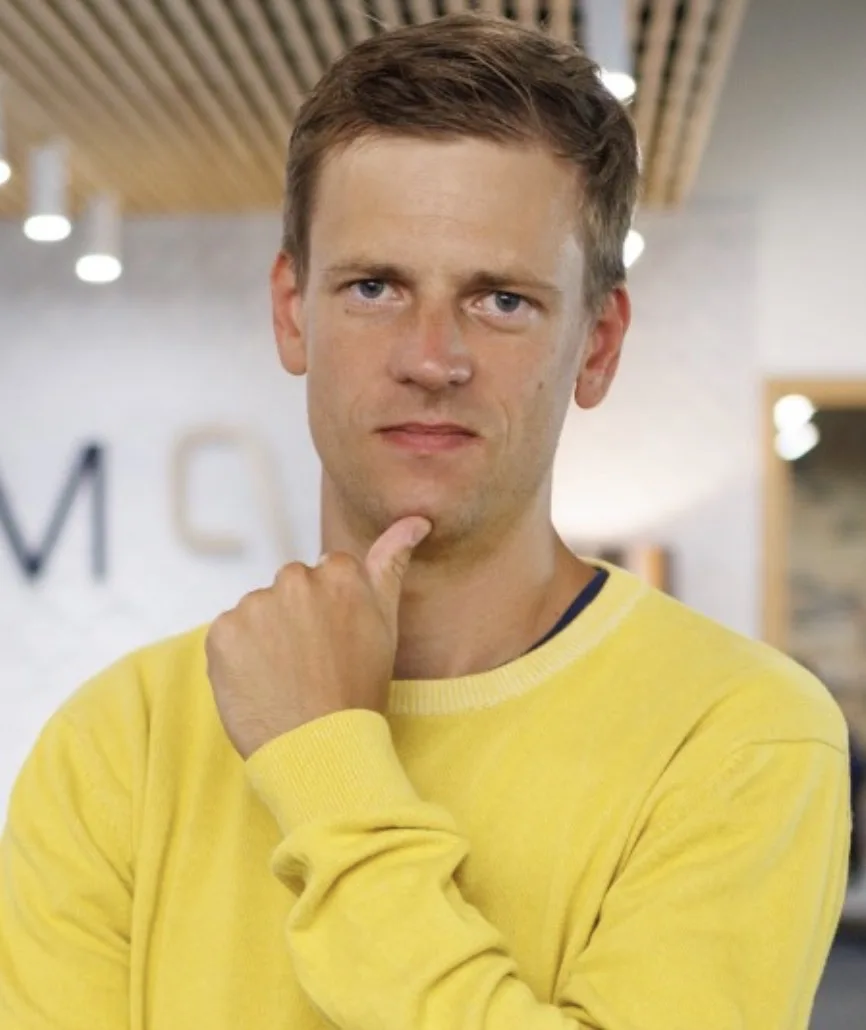 Kaspar KorjusCo-founder, Pactum
“My leadership team operates across five countries and five nationalities. Eero helped steer our strategic discussion as a captain to a successful outcome within the designated time. We clarified our focus, the most important thing we want to reach together.”
 Karoli HindriksFounder, Jobbatical
“Company values can be an abstract topic. There is a risk that people meet, discuss them and leave none the wiser. We were able to focus on the substance while Eero guided us firmly through each stage of the process to a logical conclusion.”
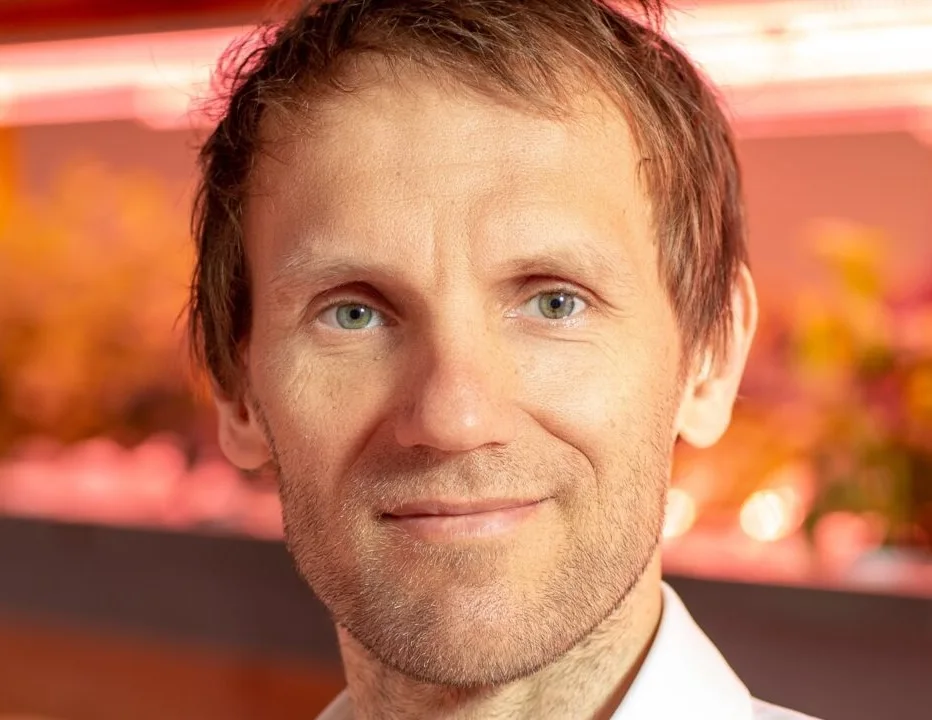 Mart TõevereCEO, Click & Grow
Frequently asked questions
How much of the training is practical?
We cover the thinking behind time management, and you build your own working system during the course.
What if I already have a time-management method?
Bring it along. The programme helps you organise and improve the system you already use.
Are the workshops delivered online?
They take place in person. Discussion and learning from each other’s experience are important parts of the programme.
What group size works best?
Up to 16 people allows enough time for discussion and individual support.