
Clearer ownership and faster decisions
“Self-management means that people take ownership and responsibility at every level of the organisation.”
Eero Sikka, leadership coach and trainer
What is a self-managing team?
A self-managing team moves decision-making closer to the people doing the work. Team members have the authority to make choices that support the organisation’s mission and take responsibility for their consequences.
You may also hear the term self-organising team. Research discussed by Harvard Business Review and McKinsey has explored the speed, innovation and employee commitment these teams can achieve. For a leader, the practical question is simple. Which decisions could the team make for itself, leaving you more energy for strategy?
Why change how decisions are made?
In a changing business environment, routing every decision through one manager slows things down. People spend time waiting for approval, ideas stall and motivation falls.
- Make decisions earlier. The people with first-hand knowledge can act while the issue is still current.
- Strengthen motivation. People have genuine responsibility for the results they deliver.
- Reduce the manager’s workload. Routine approvals take up less time.
- Adapt as conditions change. The team can adjust its roles and working arrangements.
- Connect decisions to the mission. Everyone understands how their role contributes to a shared outcome.
When is self-management a good fit?
The approach suits fast-growing organisations that need a flexible structure, or businesses where overloaded managers have become a bottleneck. It also suits organisations that want people to take more initiative, try new ideas and stay engaged in their work over time.
It is particularly relevant if you want to spend less time approving details, give colleagues clear roles and responsibilities, and help the organisation respond faster to changes in its market.
Four stages of implementation
1. Assess the starting point
We map the bottlenecks, identify unclear roles and find the decisions where delegating authority would make the greatest difference.
2. Learn and practise together
In practical workshops the team explores the principles of self-management. I draw on Holacracy, Sociocracy and Agile practices and adapt them to the way your organisation works.
3. Put new arrangements into practice
We redesign roles, decision processes and meetings. This can include roles that evolve while retaining clear accountabilities, a structure built around circles, consent-based decisions, transparent governance meetings and regular feedback. Consent means a proposal can move forward when there is no reasoned objection, without requiring everyone to prefer the same option.
4. Weekly coaching and support
Regular meetings and mentoring give the team a place to work through difficulties and establish habits that last.
Examples from different industries
These cases illustrate the approaches discussed in the programme.
- Spotify organised small teams, or squads, around specific parts of its product. Tribes and guilds connected people across the organisation, supporting growth while preserving team autonomy.
- Haier and GE Appliances illustrate the use of thousands of microenterprises in a group of around 130,000 people. Teams manage their own work and answer for results. In the example described in the programme, the HR function went from 860 people to 11 as bureaucracy was reduced and decisions moved closer to teams.
- Bayer, with around 100,000 people in the example, introduced Dynamic Shared Ownership to reduce middle-management bureaucracy. The programme cites reductions of up to 50% in time to market for new products in pharmaceutical units.
- Morning Star, a major tomato paste producer, operates without a conventional hierarchy of bosses. Individuals take responsibility for their roles and agreements as an entrepreneur would. The example links this to staff commitment and steady profitability.
- Buurtzorg, a Dutch home-care provider, organised around 15,000 nurses into teams of four to twelve. Teams split when they become too large. The example describes high client satisfaction and lower costs than competitors.
These examples show different routes to autonomy. Spotify’s model supported innovation as teams grew. Haier and Bayer show how large organisations can shorten decision processes. Buurtzorg and Morning Star illustrate what shared responsibility can look like in care services and traditional manufacturing. The common question is where the team can take greater ownership and move work forward without waiting for a manager.
Client feedback
“If you see that your desired organisational changes are not happening as they should, call Eero for help!”
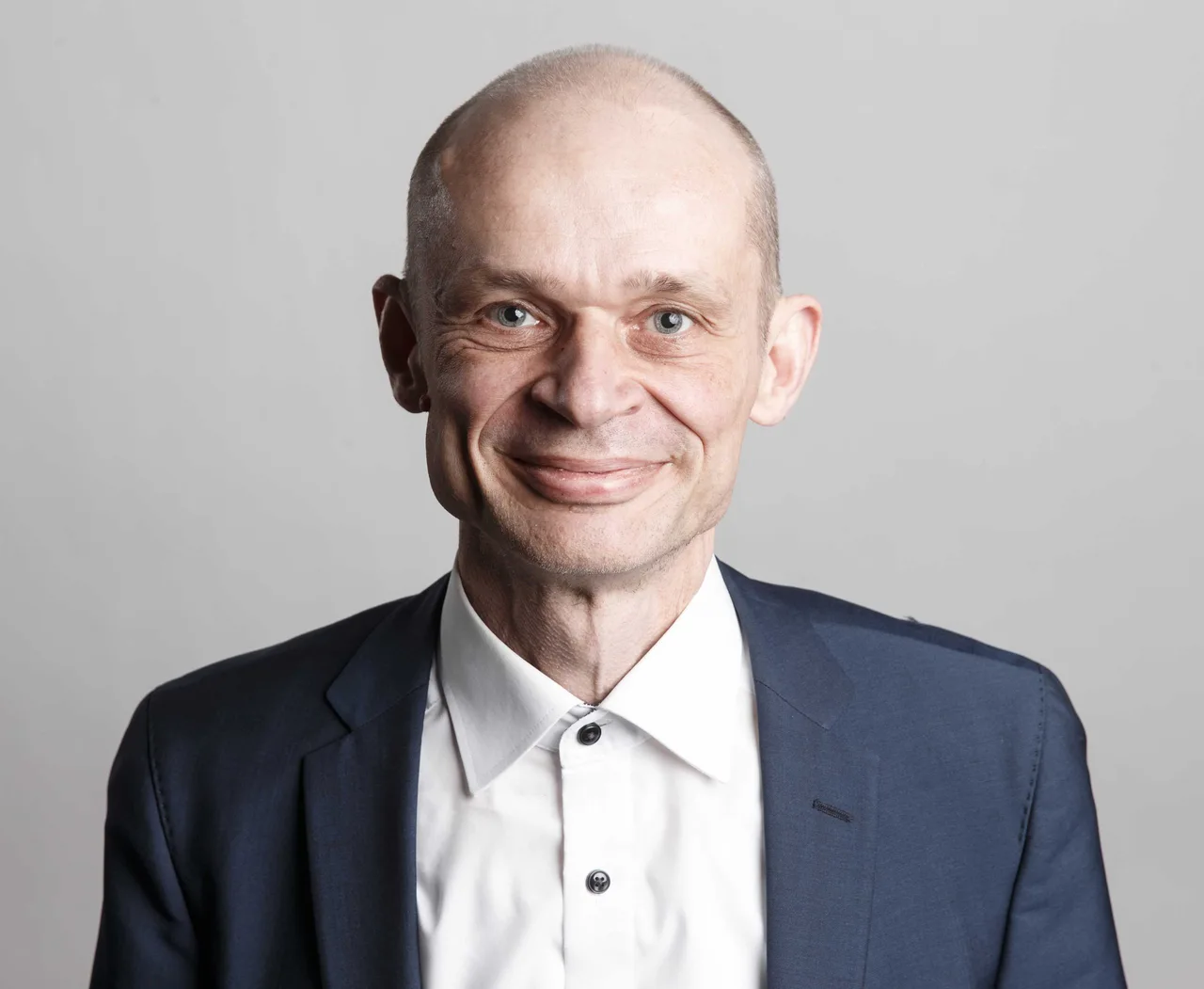 Igor RõtovCEO, Äripäev
“If you’re looking for more organisational clarity and execution speed in what matters most, then I recommend Eero for help. In collaboration with Eero the bottom-line results really do start improving, but it requires that you yourself as a leader are up for the challenge”
 Valdur LaidCEO, UG Investments · Director General, Estonian Tax and Customs Board
“Eero helped me understand how I had become the glass ceiling slowing down organisational growth, helped me overcome it and to stay in top shape by doing that. A powerful experience, which I can really value now after having experienced it.”
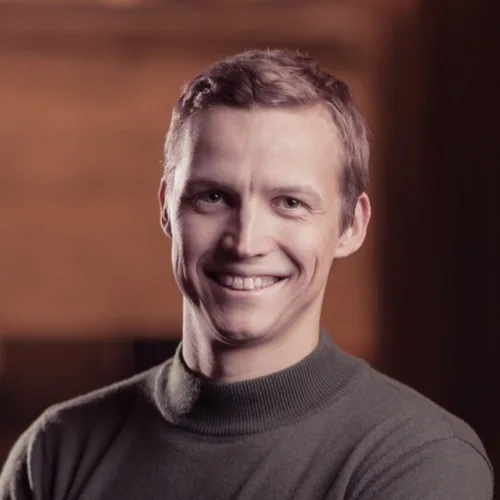 Ats AlbreBoard member, Nortal
“Eero has helped me in my work over the years – at Telia, e-Residency and now at Pactum. Each time the topic was different. His style suits me: a good balance of theory and practice.”
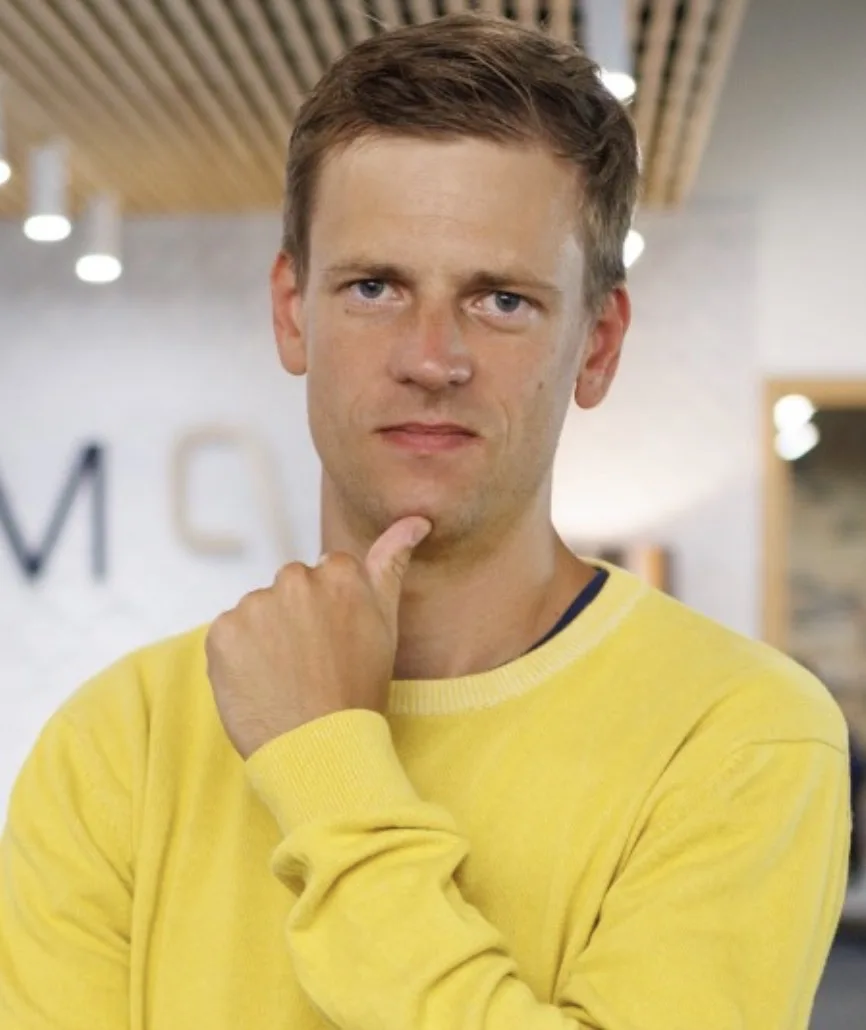 Kaspar KorjusCo-founder, Pactum
“My leadership team operates across five countries and five nationalities. Eero helped steer our strategic discussion as a captain to a successful outcome within the designated time. We clarified our focus, the most important thing we want to reach together.”
 Karoli HindriksFounder, Jobbatical
“Company values can be an abstract topic. There is a risk that people meet, discuss them and leave none the wiser. We were able to focus on the substance while Eero guided us firmly through each stage of the process to a logical conclusion.”
 Mart TõevereCEO, Click & Grow
Frequently asked questions
What happens to the manager’s role?
Leadership remains important. Managers spend more time on strategy, direction, innovation and shaping the organisation’s culture.
Does this only work in start-ups?
It can also work in large corporations. The approaches taken by Spotify, Bayer and Haier illustrate several different settings.
How do we avoid everyone doing whatever they want?
Autonomy rests on clear roles, agreements and accountability. People need to know where they can decide, which commitments they have made and whose work their decisions affect.
How quickly can we expect to see results?
Early changes can appear within a couple of months. A lasting shift in culture generally takes 6–18 months.
What distinguishes Holacracy and Sociocracy?
Holacracy spells out roles, circles, governance and rules in detail. It can suit organisations that want structure, although it can initially feel bureaucratic. Sociocracy offers more flexibility and participation, with consent-based decision-making and a strong emphasis on cooperation and adaptation.
How do Agile approaches and Teal organisations differ?
Agile approaches such as Scrum, Lean and Kanban support flexible product development and project work through short cycles and learning. They do not by themselves describe how to govern a whole organisation. Teal organisations emphasise self-management, wholeness and an evolving organisational purpose. This approach asks a great deal of the organisation’s culture. In practice I often combine elements from different approaches to suit the people and work involved.