
A systematic approach to business-to-business sales
This sales growth programme gives managers and sales teams a clear method for planning sales activity, measuring results and helping customers make decisions. Teams often lose business because the sales process is inconsistent: opportunities are handled reactively and the next step is unclear.
“One thing we’ve discovered with certainty is that anything we do that makes the customer more successful inevitably results in a financial return for us.” — Jack Welch
The programme starts with the customer’s business goals. When salespeople help a customer succeed, they build a basis for a lasting relationship. A more disciplined process also improves forecasting, professionalism and confidence in the pipeline.
“The sales programme is built around four practical modules, tailored to the specific needs of the organisation.” — Eero Sikka
What will managers and salespeople do differently?
- Set clear, measurable individual sales goals.
- Manage the pipeline actively and select the next useful contact.
- Identify the customer’s underlying need and its business implications.
- Understand and respond to objections.
- Guide conversations towards decisions.
- Build relationships that extend beyond an individual transaction.
- Analyse the sales process and make specific improvements.
Who is it for?
B2B teams selling complex products or services, and sales managers who want a measurable, repeatable process. It also suits professionals who sell as part of their role, including consultants, project managers and service owners. It is particularly useful where business depends on customer relationships and the quality of sales conversations.
Each module combines theory with rehearsal so participants can use what they learn in real sales work the following day.
The four modules
We agree the emphasis and content according to your sales model, customer portfolio and goals. Across all four modules the aim is to build a systematic approach that improves the organisation’s sales performance.
Module 1 — Sales goals, opening contact and handling objections
What do I want to achieve in sales, and which actions will get me there? We set priorities and measures, practise making the first contact and work through objections that arise naturally in a sales conversation. Role play gives participants time to try different approaches.
Workshop activities
- Set individual goals and identify the activities that support them.
- Agree measures and a daily or weekly team stand-up for support and accountability.
- Explore how customers buy and how successful salespeople approach their work.
- Choose when to approach a prospect and with which proposal.
- Use a model for initiating contact.
- Relate common objections to the proposals that prompt them.
- Write out examples, rehearse them and agree how to continue practising.
Module 2 — Discovering what the customer needs
Listening closely and asking useful questions builds interest and trust. Managers and salespeople practise identifying a real need, exploring its commercial impact and guiding the conversation towards a decision. Realistic scenarios help participants respond constructively when customers raise objections.
Workshop activities
- Explore a model for managing sales, the “always be closing” mindset and the use of traffic-light indicators.
- Practise handling objections and discovering needs.
- Set the proposed solution aside long enough to map the issues that matter to the customer.
- Explore the business impact of each issue.
- Rehearse the questions that unlock these conversations and agree the next practice assignment.
Module 3 — Understanding resources and decision-making
A deal may stall because nobody knows who makes the decision or what resources the customer can commit. Participants learn to discuss budgets, timelines, people and internal barriers. They practise sensitive questions, explore the reasons for resistance and identify the decision-maker sooner, using their own customer cases.
Workshop activities
- Clarify available time and staffing and explore the customer’s budget expectations.
- Understand customer assumptions and objections.
- Find the person with decision-making authority.
- Close a meeting with explicit agreements on next steps.
- Examine how the team manages its own sales process and rehearse examples.
Module 4 — Presenting the solution and sustaining the relationship
Participants bring the previous steps together in a proposal that addresses a customer’s actual business challenge. We practise presenting value, discussing price, negotiating and asking for a decision without applying pressure. We also explore the work that follows a signature, including building trust and identifying further needs.
Workshop activities
- Choose when, how and in what form to make an offer.
- Present the proposal, ask for a decision and agree how implementation will begin.
- Practise handling objections and managing the negotiation process.
- Recognise common pricing tactics and prepare appropriate responses.
- Define what maintaining a customer relationship means for your team.
- Prepare and rehearse demonstrations of your own services.
Between workshops
Each participant builds a personal sales plan and applies it in customer meetings. Participants review results and reflect on what worked. A learning partner and line manager provide regular support. Managers establish a rhythm for reviewing progress with the team.
The work includes individual reading and videos, paired practice and mutual accountability, one-to-ones with the manager, tracking results and reviewing the plan.
Outcomes
The team works with a clear, repeatable sales process. Progress can be seen through conversion rate, average deal value and the stability of the pipeline. Transparent sales activity makes collaboration easier. Salespeople take responsibility for their results, and customers experience more consistent, professional communication.
Client feedback
“If you see that your desired organisational changes are not happening as they should, call Eero for help!”
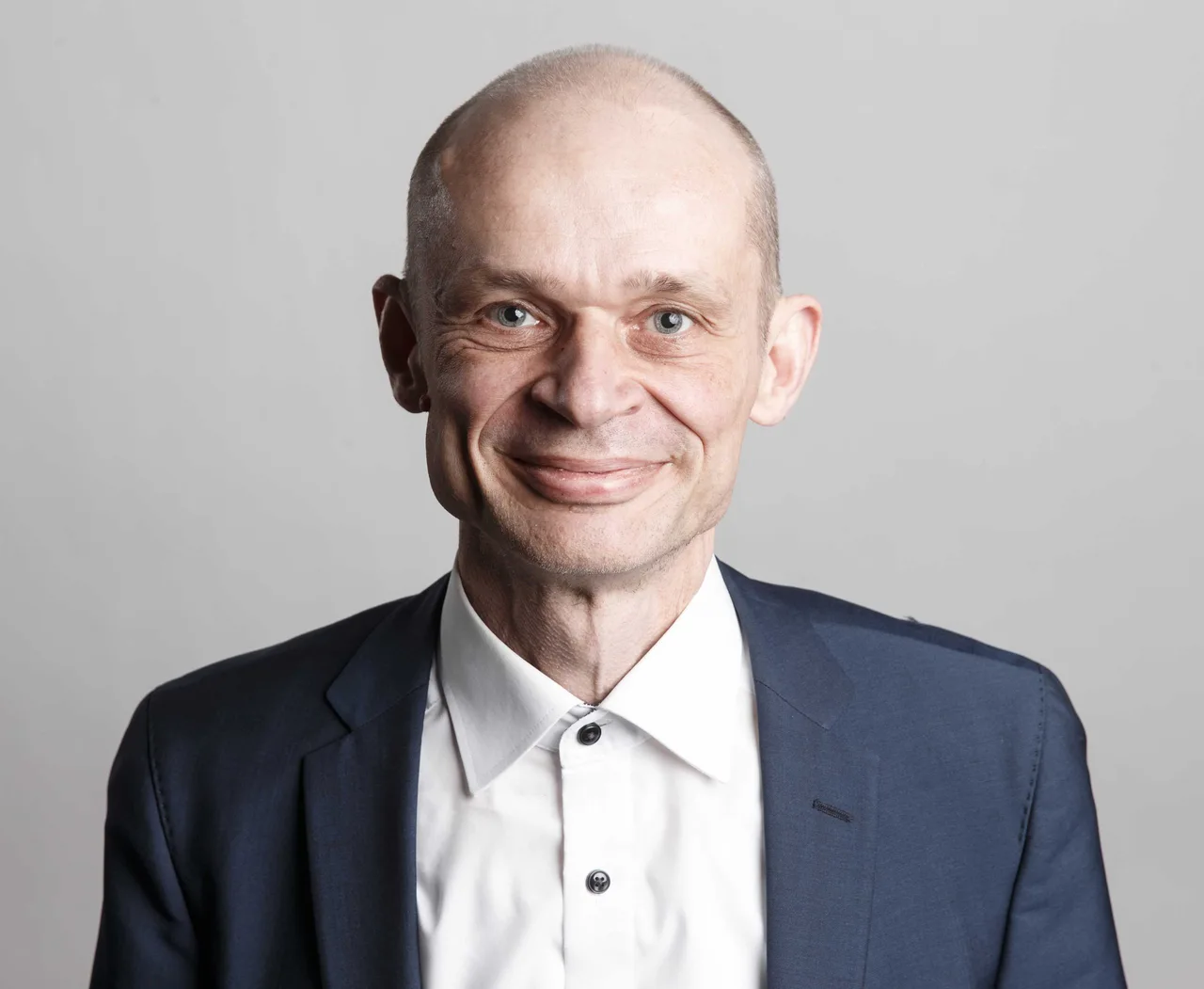 Igor RõtovCEO, Äripäev
“If you’re looking for more organisational clarity and execution speed in what matters most, then I recommend Eero for help. In collaboration with Eero the bottom-line results really do start improving, but it requires that you yourself as a leader are up for the challenge”
 Valdur LaidCEO, UG Investments · Director General, Estonian Tax and Customs Board
“Eero helped me understand how I had become the glass ceiling slowing down organisational growth, helped me overcome it and to stay in top shape by doing that. A powerful experience, which I can really value now after having experienced it.”
 Ats AlbreBoard member, Nortal
“Eero has helped me in my work over the years – at Telia, e-Residency and now at Pactum. Each time the topic was different. His style suits me: a good balance of theory and practice.”
 Kaspar KorjusCo-founder, Pactum
“My leadership team operates across five countries and five nationalities. Eero helped steer our strategic discussion as a captain to a successful outcome within the designated time. We clarified our focus, the most important thing we want to reach together.”
 Karoli HindriksFounder, Jobbatical
“Company values can be an abstract topic. There is a risk that people meet, discuss them and leave none the wiser. We were able to focus on the substance while Eero guided us firmly through each stage of the process to a logical conclusion.”
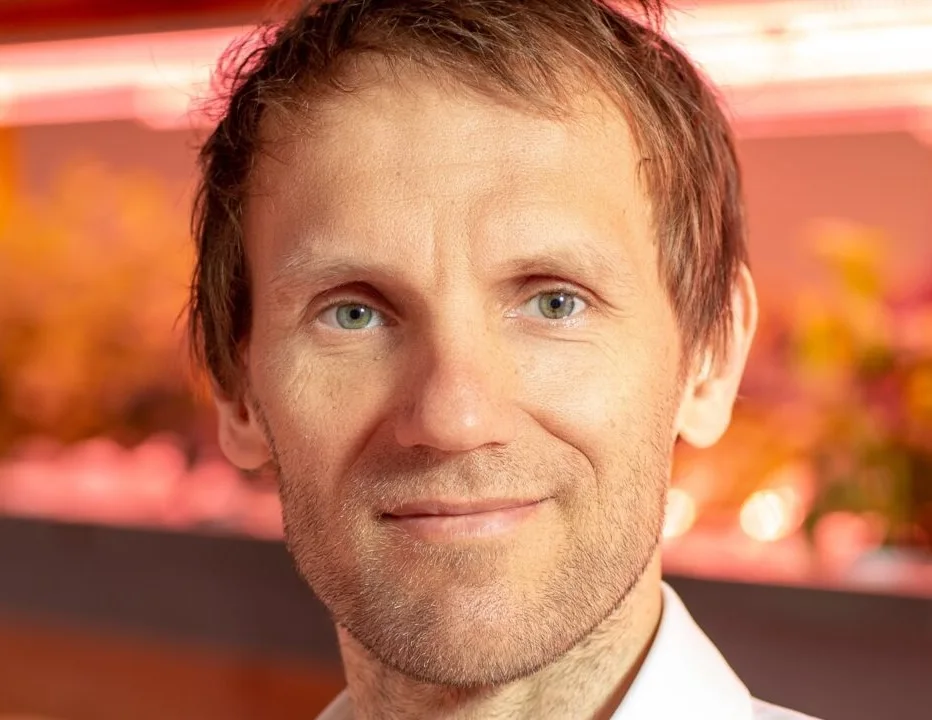 Mart TõevereCEO, Click & Grow
Frequently asked questions
Is this sales training or a sales programme?
It is a structured programme with practical training throughout, designed to change everyday sales habits.
Does it apply only to B2B sales?
It was designed for business customers. Individual elements can be adapted for other channels.
How long does it take?
Typically four modules over six months.
How are results measured?
Track sales results, conversion, number of contacts, customer feedback and progress against each participant’s personal development plan.
Will experienced salespeople benefit?
Yes. They can refine their existing process and add practical tools for improving results.