
Connect strategy, goals and everyday work
Objectives and Key Results (OKRs) give organisations a way to connect strategy with what teams do each day. Even where goals are clear on paper, teams can work hard in different directions. OKRs make the link between objectives, key results and team activity visible so people can see how their work contributes.
“For most organisations, the challenge is aligning the whole organisation around its strategy and goals.” — Eero Sikka, leadership coach and trainer
What are OKRs?
An OKR is a framework for agreeing objectives and measuring progress through key results. The approach has roots in the management practices of Intel and Google and is used by organisations of many sizes.
Two questions guide the work:
- What do we want to achieve? This is the objective.
- How will we know we are moving in the right direction? These are the key results.
Teams at every level can see where to focus and how their progress will be measured.
Why use OKRs?
Day-to-day demands can absorb energy that people intended to give to strategic work. Managers find it hard to assess progress and teams find it hard to see their impact. OKRs give everyone visibility of priorities, concentrate effort on a few high-impact objectives and make progress measurable. People gain greater responsibility for managing their own results.
The Estonian course description cites a 2023 HBR reference for a reported 20–30% improvement in focus and transparency at organisations with an established OKR culture.
Who are they for?
OKRs suit organisations that want to link strategy to everyday decisions, clarify competing priorities and give teams more ownership. They can help when objectives are vague or quickly lose visibility, or when annual planning needs a more frequent rhythm of discussion and adjustment.
Four stages of implementation
Introducing OKRs changes the way an organisation manages work. The process typically takes around 90 days, after which teams can run and improve the system independently.
1. Preparation and pilot
We map strategic objectives and current goal-setting practices, agree why the organisation needs OKRs and identify what should change. Where useful, one unit pilots the approach. Internal OKR champions learn how to get the system started and sustain it.
Outcome: an agreed starting point and focus for the programme.
2. Leadership workshop
We cover the method, clarify the strategic direction and draft the organisation’s first OKRs. Typically this means three to five objectives with three or four key results each. Leaders practise keeping attention on the priorities while giving teams room to choose how to deliver them.
Outcome: the first organisational OKRs and a clear understanding of the leadership team’s role.
3. Team workshops
Teams align their own objectives with the organisation’s OKRs and link them to daily work and measures. They practise using OKRs in team meetings, one-to-ones and quarterly planning. Simulations and examples bring the method into everyday management.
Outcome: each team has its own objectives, measures and routines.
4. Ongoing support
Teams establish weekly check-ins on progress, status and obstacles. Quarterly reviews explore what worked and what to change. Leaders can receive coaching on keeping the system flexible and practical.
Outcome: a working OKR culture that gives teams a consistent focus and supports improvement.
The first 90 days
- Days 1–30: clarify organisational strategy and establish leadership-level OKRs.
- Days 31–60: run team workshops and establish weekly check-ins.
- Days 61–90: review progress, capture lessons and set up the next quarterly cycle.
By the end of the period, teams have a system they can maintain and adapt themselves.
What can get in the way?
Linking OKRs directly to pay or individual performance plans discourages open discussion and cooperation. Too many objectives or key results dilute attention. When teams abandon check-ins, progress slips out of view. Vague key results make it difficult to know whether anything has improved.
We address these problems through a tested process, regular meetings and internal champions who can help teams maintain the routine.
Benefits
For the organisation: strategy translates into actions and measurable outcomes. Priorities become visible across teams, collaboration improves and people can spend more energy on important work.
For managers and teams: a practical method for deciding what to do, a clear picture of progress and a meeting rhythm that sustains motivation. Leaders develop the ability to coach their teams as they take responsibility for results.
Client feedback
“If you see that your desired organisational changes are not happening as they should, call Eero for help!”
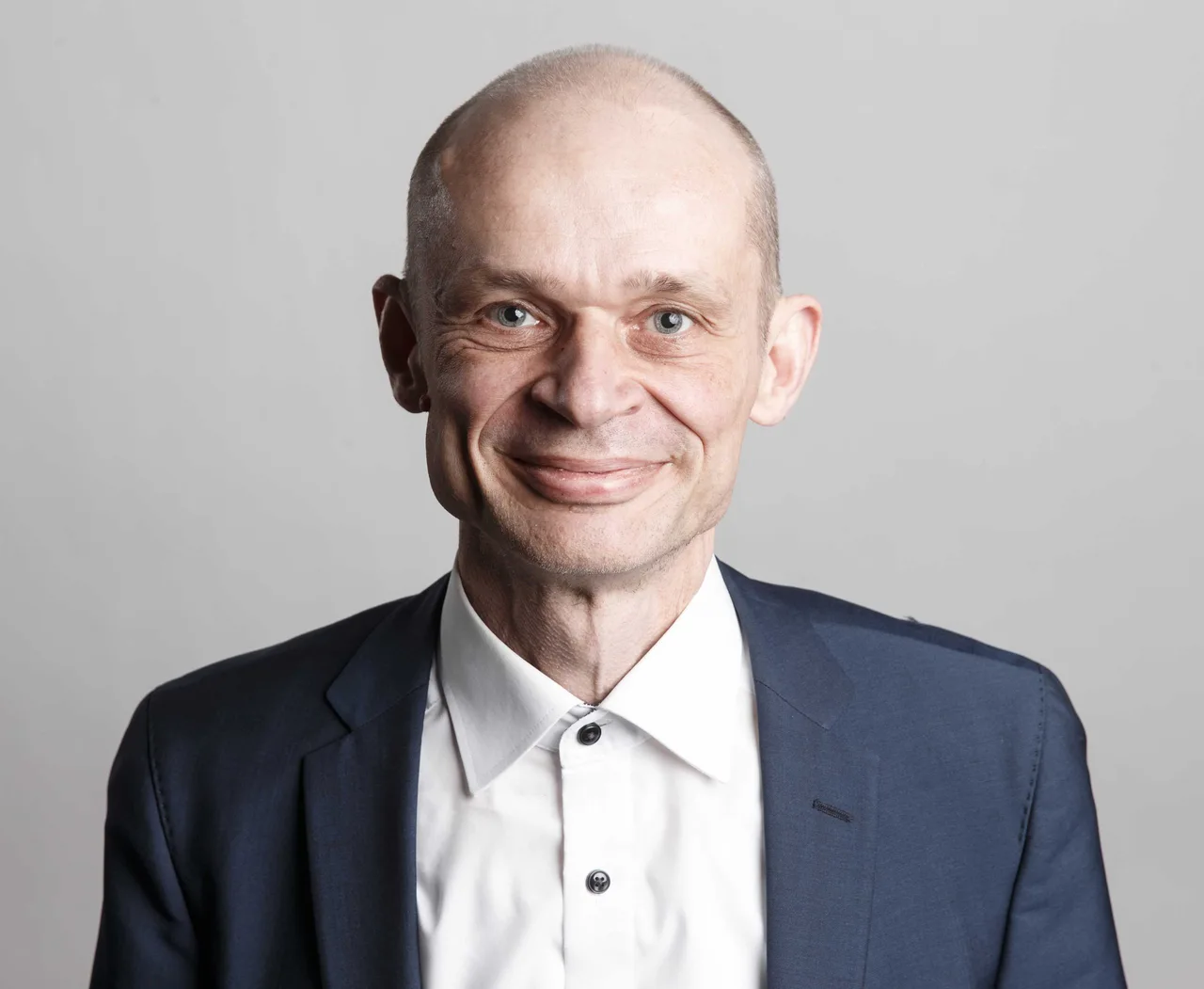 Igor RõtovCEO, Äripäev
“If you’re looking for more organisational clarity and execution speed in what matters most, then I recommend Eero for help. In collaboration with Eero the bottom-line results really do start improving, but it requires that you yourself as a leader are up for the challenge”
 Valdur LaidCEO, UG Investments · Director General, Estonian Tax and Customs Board
“Eero helped me understand how I had become the glass ceiling slowing down organisational growth, helped me overcome it and to stay in top shape by doing that. A powerful experience, which I can really value now after having experienced it.”
 Ats AlbreBoard member, Nortal
“Eero has helped me in my work over the years – at Telia, e-Residency and now at Pactum. Each time the topic was different. His style suits me: a good balance of theory and practice.”
 Kaspar KorjusCo-founder, Pactum
“My leadership team operates across five countries and five nationalities. Eero helped steer our strategic discussion as a captain to a successful outcome within the designated time. We clarified our focus, the most important thing we want to reach together.”
 Karoli HindriksFounder, Jobbatical
“Company values can be an abstract topic. There is a risk that people meet, discuss them and leave none the wiser. We were able to focus on the substance while Eero guided us firmly through each stage of the process to a logical conclusion.”
 Mart TõevereCEO, Click & Grow
Frequently asked questions
How does an OKR relate to a KPI?
A KPI measures an aspect of everyday performance. An OKR defines a change or improvement you want to achieve and the results that will show progress.
How often should we review OKRs?
Hold a short weekly check-in and a fuller review once a quarter.
How long does implementation take?
The programme typically runs for about 90 days. The first month establishes the organisation’s priorities, followed by team workshops and a review ahead of the next quarter.
What return does the course description report?
The Estonian course description reports a typical return of three to five times the investment over the first two years.
Can a public-sector organisation use OKRs?
Yes. They are especially useful where people need clear, transparent priorities.