
Greater clarity, confidence and effectiveness as a leader
Leadership can be lonely. You carry responsibility for difficult decisions and face pressure from owners, clients and your team. How do you make timely strategic decisions with confidence? How do you stay motivated in times of uncertainty, protect your energy and build a team that can take responsibility for delivering results?
It can be hard to find someone with whom to discuss these questions openly and without judgement. A coach gives you space to reflect, see your choices more clearly, stay focused and act on what matters in your work and your life.
“My aim as a coach is to raise awareness and help leaders realise their full potential, so they can build and lead genuinely healthy, happy organisations.”
Eero Sikka, leadership coach and trainer
One-to-one executive coaching
Coaching is a development process tailored to you. I use questions, reflection and a clear structure to help you reach your own decisions and act on them. We focus on specific changes you want to make.
I have worked with coaching for more than 20 years. I started by developing a coaching approach to leadership across Telia. I later studied at the Academy of Executive Coaching in London, completing its Advanced Practitioner in Executive Coaching programme. My studies in Gestalt therapy at the Gestalt Institute of Scandinavia in Denmark also helped me understand myself and others and support people in their development.
What can you gain?
- Clarity. Choose your priorities and develop a way to approach difficult decisions.
- Confidence. Find the motivation to follow through, even under pressure.
- Effectiveness. Focus your effort, make decisions sooner and waste less time.
- Communication. Build trust and express expectations and boundaries more clearly.
- Balance. Develop ways of working that support your personal life and help prevent burnout.
How coaching works
1. Meet and explore
We meet to see how well we work together. A 30-minute trial session gives you a feel for my approach. We discuss your expectations and agree on a time for the first coaching meeting.
2. Agree how we will work
We clarify our roles and approach, make a confidentiality agreement and define your goals. We also agree how we will know whether you are making progress.
3. Coaching sessions
Sessions usually last 90 minutes. Through questions and reflection, we explore your goals, the reasons behind them and the options you see. You develop a plan and decide which steps to take. We regularly return to the goals you set and review what has changed.
4. Evaluate progress
Together we assess our working relationship and the progress you have made. We then decide whether a further cycle of coaching would help you reach a new goal.
How long does it take?
The length depends on you. Six 90-minute sessions are often enough to bring about a desired change. Meeting once a month gives a typical programme length of six months.
What do leaders report?
In an International Coaching Federation survey of 27,000 respondents cited in the programme, leaders who had worked with a professional coach highlighted improvements in communication skills (42%), confidence or self-esteem (40%), performance (39%) and work–life balance (34%).
What do we do to help change happen?
First we pause to understand what is happening now. We explore what you really want, which values matter most and which beliefs or unconscious patterns might be getting in the way. We then look at different ways forward. You choose an approach and specific actions that will help you put it into practice.
Leaders often gain clearer priorities and spend less time firefighting. They reach decisions more quickly and carry fewer unresolved issues. Conversations become calmer and clearer under pressure. Responsibility moves to the people who are best placed to act. With a better balance, leaders have more time for others and more energy for important decisions.
Client feedback
“If you see that your desired organisational changes are not happening as they should, call Eero for help!”
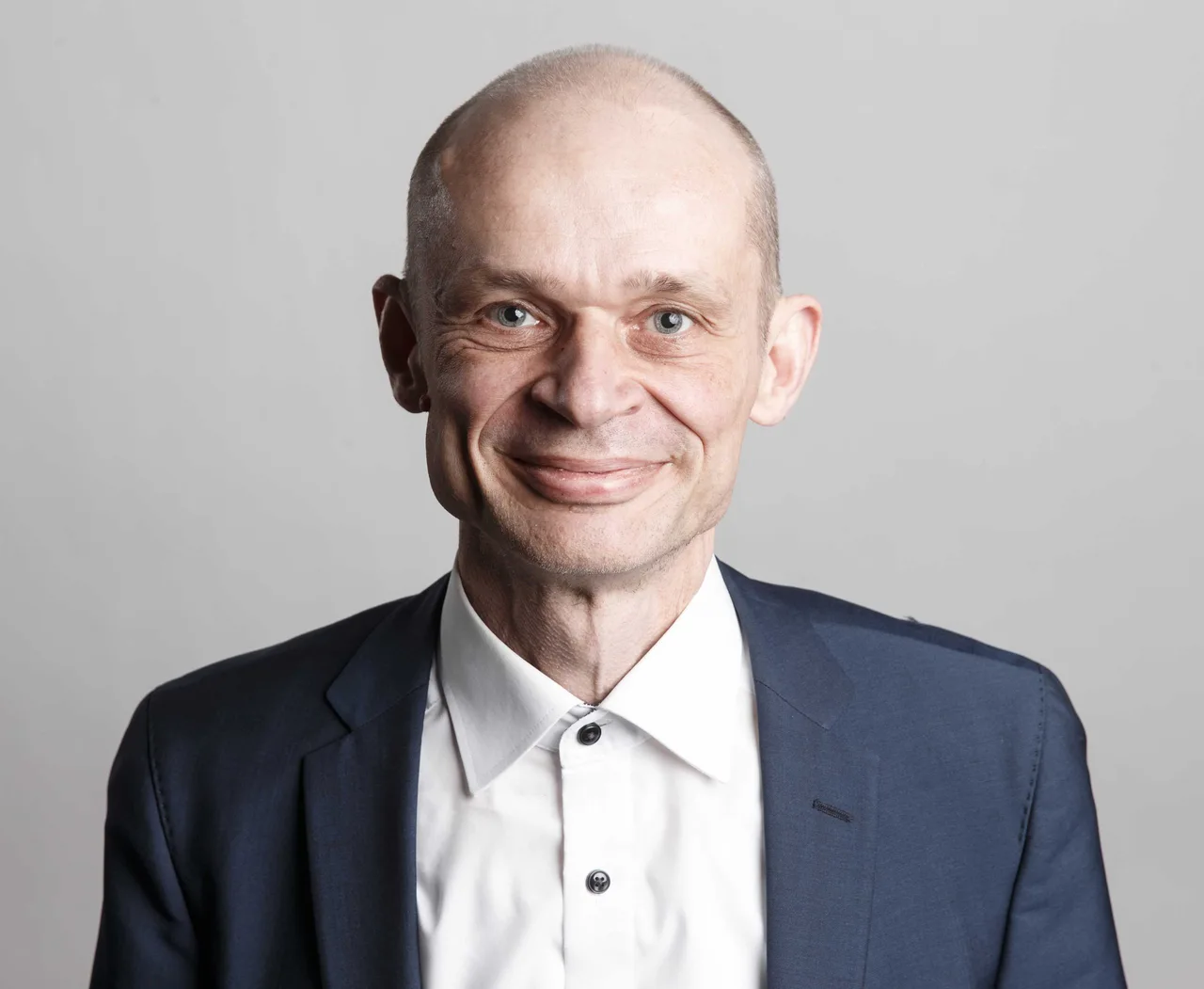 Igor RõtovCEO, Äripäev
“If you’re looking for more organisational clarity and execution speed in what matters most, then I recommend Eero for help. In collaboration with Eero the bottom-line results really do start improving, but it requires that you yourself as a leader are up for the challenge”
 Valdur LaidCEO, UG Investments · Director General, Estonian Tax and Customs Board
“Eero helped me understand how I had become the glass ceiling slowing down organisational growth, helped me overcome it and to stay in top shape by doing that. A powerful experience, which I can really value now after having experienced it.”
 Ats AlbreBoard member, Nortal
“Eero has helped me in my work over the years – at Telia, e-Residency and now at Pactum. Each time the topic was different. His style suits me: a good balance of theory and practice.”
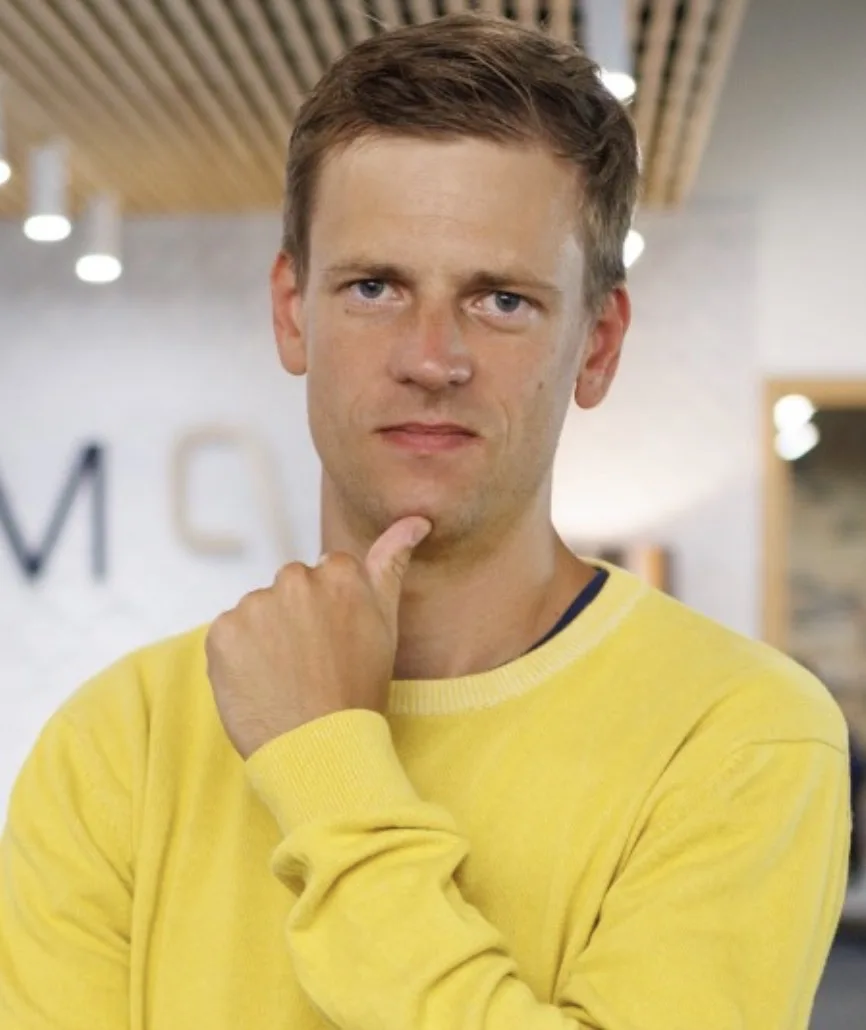 Kaspar KorjusCo-founder, Pactum
“My leadership team operates across five countries and five nationalities. Eero helped steer our strategic discussion as a captain to a successful outcome within the designated time. We clarified our focus, the most important thing we want to reach together.”
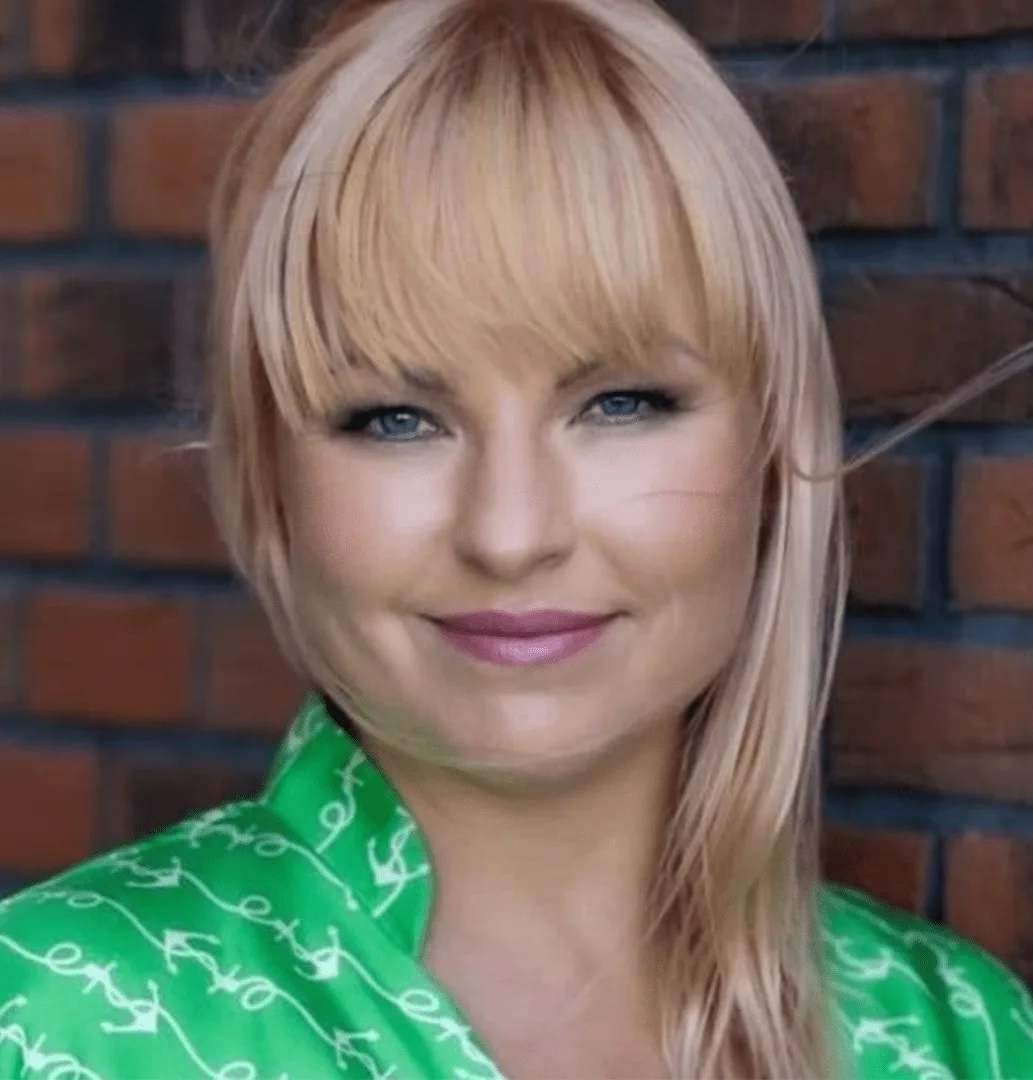 Karoli HindriksFounder, Jobbatical
“Company values can be an abstract topic. There is a risk that people meet, discuss them and leave none the wiser. We were able to focus on the substance while Eero guided us firmly through each stage of the process to a logical conclusion.”
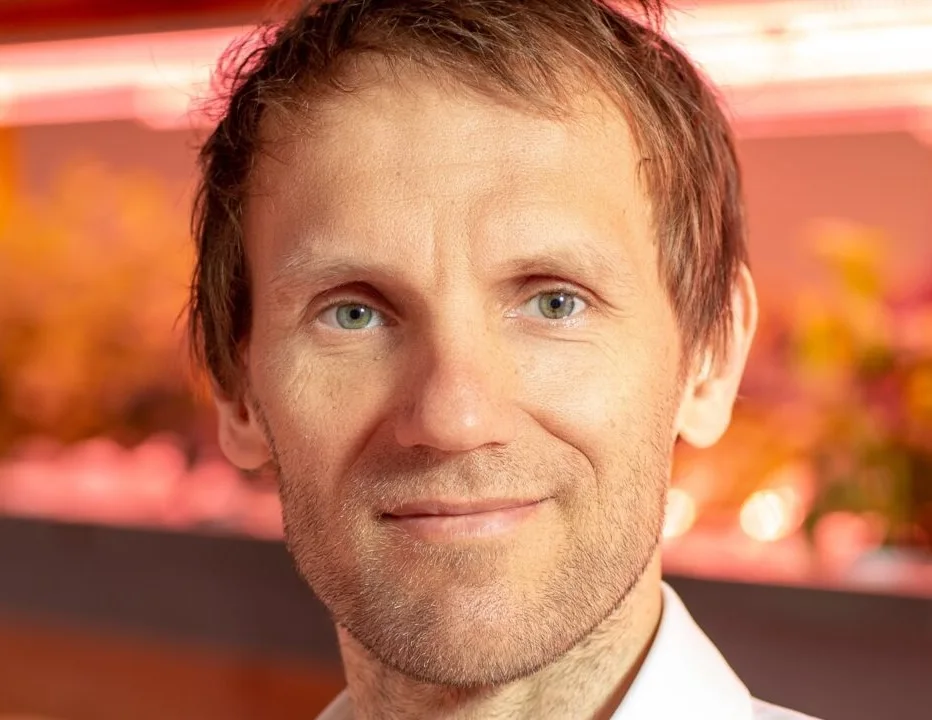 Mart TõevereCEO, Click & Grow
Frequently asked questions
How does coaching differ from mentoring, training and therapy?
In coaching you work on your own goals and develop your own answers through questions and reflection. A mentor shares experience and advice, while training teaches particular skills or methods. Coaching focuses on practical decisions and changes in your work and life. It can support leaders in small or large organisations, start-ups, public bodies and non-profits.
How long is a coaching programme?
We usually meet once a month for six 90-minute sessions, over about six months. The programme can be shorter or longer, depending on what you want to change and how you put the work into practice between sessions.
Is coaching suitable if I am looking for practical leadership support?
Yes. We focus on present challenges, practical choices and the business results you want to achieve.
Can individual coaching help my team develop?
Yes. Changes in how you set goals, communicate, make decisions and assign responsibility will also change how people work together.
Which coaching models do you use?
For performance goals I often use GROW to turn an intention into specific steps. For skills development I draw on cognitive behavioural tools to explore unhelpful thought patterns and practise more effective leadership behaviours. For personal development I use a Gestalt approach to increase awareness of habits and choices. For questions of purpose and meaning I also use a nondual approach to explore balance in work and life.
What is the GROW coaching model?
GROW takes a goal through four questions. Goal: What do you want to achieve? Reality: Where are you now and what is getting in the way? Options: What choices are open to you? Way forward: What will you do and when?